
The Mystery of Why Kaleköy Underwater Tomb is in the Sea?
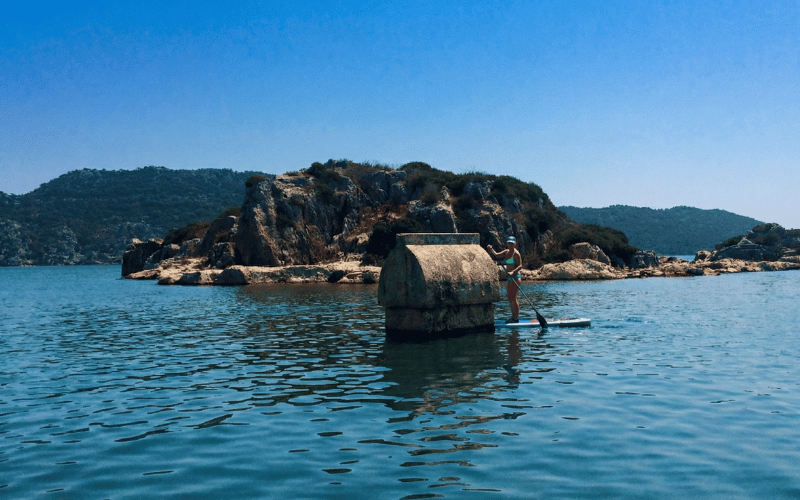
Imagine a moment where time stands still amidst the clearest shades of turquoise. As the gentle breeze of the Mediterranean brushes against your face, you glide on the bow of your boat and suddenly encounter a silent witness of thousands of years rising from the water. This famous underwater monument, which has become the symbol of Kaleköy (ancient Simena), is not just a pile of stone; it is the outcry of an entire civilization submerged under the waves. The answer to the question "Why is this structure in the water?"—the most frequent query from visitors—lies hidden in both geological catastrophes and the deep history of Lycia. To witness this historical texture firsthand, planning a professional Kekova boat tour is more than just a trip; it is a profound journey through time.
The Silent Sentinel of Simena: Origins of the Submerged Tomb
The ancient city of Simena, known today as Kaleköy, was one of the smallest yet most strategically important coastal towns of the Lycian League. These stone structures, lined along the coast—some now submerged and some perched on the slopes—actually represented the Lycian concept of immortality. In Lycian culture, placing tombs in high positions symbolized the soul being closer to the sky. However, the famous Lycian tomb standing in the shallow waters of Kaleköy today was not originally built in the sea.
To understand why this magnificent work stands on a wet floor among the waves, we must travel back about 2,000 years. These tombs, shaped with the master stonemasonry of the Lycians, were generally family-type burials designed for the nobles or wealthy families of that period. The inverted boat form on its lid is the most concrete evidence of how the Lycians, a seafaring nation, reflected their way of life in their funerary architecture.
Great Earthquakes and Changing Landscapes: Why Did it Sink?
In the 2nd century A.D., violent earthquakes that struck the region did more than just destroy Lycia's buildings; they caused a serious fracture and subsidence in the earth's crust. The entire area, now known as the "Sunken City," was submerged due to these seismic movements. This historical relic in Kaleköy was actually once located on the mainland, perhaps right by the ancient harbor or along a busy road. However, as the ground level dropped by several meters following the quakes, the waters of the Mediterranean slowly swallowed the old settlements, shops, and pathways.
Since then, this stone monument has continued to resist the power of nature and the erosive effects of time. Its stance in the water gives it a mystical atmosphere and reminds visitors how volatile the world can be. When you follow the shoreline, it is possible to see underwater stairs, house foundations, and pier remains. The most aesthetic and photographed piece of these ruins is undoubtedly this Lycian masterpiece standing alone in the middle of the sea.
Mastery in Lycian Architecture and Stone Carving
What distinguishes Lycian tomb architecture from other ancient civilizations is the immense detail carved into both house-type and tomb-style structures. This underwater monument in Kaleköy features a special roof structure called "Semerdam." This roof type is like a stone-carved copy of the wooden houses the Lycians used in daily life. The reliefs and inscriptions carved onto these burial chambers provide us with invaluable clues about the social hierarchy of that period.
When you examine these structures closely during a comprehensive Kekova boat tour, you will be amazed at how the fine workmanship on the stones has been preserved for centuries despite the corrosive effects of salt water. On some tombs, epigrams written in the Lycian language can still be deciphered. The lids of these stone chests usually consist of two parts and may feature lion-head figures or mythological scenes believed to protect the deceased.
Captain Ergun's Advice:
"The underwater tomb in Kaleköy is one of the most iconic ancient relics closest to the shore. For a better experience, I recommend visiting in the early morning or at sunset when the sea is calm. Exploring this monument by paddleboard during these hours allows you to see the underwater details and schools of fish more clearly. Also, the shallow areas right behind the tomb are frequent spots for Caretta Carettas to feed in the early morning; keeping your camera ready will allow you to capture these moments."
Other Must-See Spots in Kaleköy
Although the underwater monument is the star of the region, Kaleköy (Simena) offers much more. This is one of the rare settlements in Turkey with no road access, reachable only by sea. The Medieval Castle rising at the top of the village offers a 360-degree view of the entire Kekova Bay. Inside the castle is one of the world's smallest ancient theaters, carved directly into the rock.
As you walk down the narrow, flower-lined paths from the castle, you come face-to-face with different ancient remains at every corner. Some tombs have become part of a house's garden wall today, while others find peace under the shade of century-old olive trees. This intertwining is the most sincere proof of how modern life can coexist harmoniously with ancient history. Trying the natural products handmade by the villagers and tasting the famous burnt ice cream of Kaleköy will be the most delicious stops of your trip.
Do I need a Museum Pass to visit Kaleköy?
Since Kaleköy itself is a residential settlement, entering the village is free and does not require a museum pass. However, if you wish to enter the Simena Castle at the top, a museum pass is valid there, or you must pay an entrance fee.
Is it allowed to swim where the tomb is located?
Swimming is permitted along the shores of Kaleköy and in the general areas around the monument. However, it is strictly forbidden to climb on top of the ancient relic, go inside it, or have physical contact that could damage the structure.
Are Kaleköy and Kekova the same place?
No, these are different concepts. Kekova is the name of the island and the general name for the entire gulf area. Kaleköy is the name of the historical village located on the mainland, directly opposite Kekova Island, with access only by sea.
Where exactly is this ancient monument located?
This famous ancient work is located in the shallow waters just to the left of the Kaleköy harbor, approximately 15-20 meters from the shore. You can see it clearly while approaching by boat or from the piers on the shore.
An Unforgettable Route in the Heart of History
The Kekova region is a unique open-air museum that demonstrates how elegantly nature and history are entwined. While that solitary stone chest in the water carries a message from thousands of years ago, the sound of each wave whispers the story of the Lycians. These lands, washed by the salty Mediterranean wind, promise you not just a holiday, but a journey of discovery that will rest your soul.
If you want to breathe in this fascinating atmosphere, discover the secrets of the Sunken City, and cool off in the purest shades of turquoise, get ready for one of the most beautiful routes of your life. To ensure you don't miss this unique experience, you can book a Kekova boat tour now and join this extraordinary adventure.

AHOY!
I'm Captain Ergun, your local guide to the beautiful waters of Kaş and Kekova!
I'm here to help you make your trip to Turkey truly unforgettable. I've handpicked some of the best experiences for you, so you can dive deep into the culture, history, and natural beauty of our coast.
Check out my insider list of top activities and hidden gems for an adventure you won’t forget!