
Exploring Ancient History from the Water
The turquoise waters of the Aegean and Mediterranean hide more than just sunken coves and pristine beaches—they carry stories of civilizations that shaped history. Sailing along these coasts is like opening a living history book, where every cove, island, and ancient ruin tells a tale of the past. For travelers eager to blend adventure with culture, exploring ancient history from the water offers an unforgettable perspective.
Discovering Ancient Ruins Along the Coastline
The Aegean and Mediterranean coasts are scattered with ancient ruins, from Lycian tombs perched on cliffs to Greek temples hidden among olive groves. Many of these sites are only accessible by boat, giving visitors a private and immersive experience. Sailing past the crumbling stone walls of Xanthos, the Lycian League’s former capital, or anchoring near the sunken city of Kekova, travelers witness firsthand how history intertwines with nature.
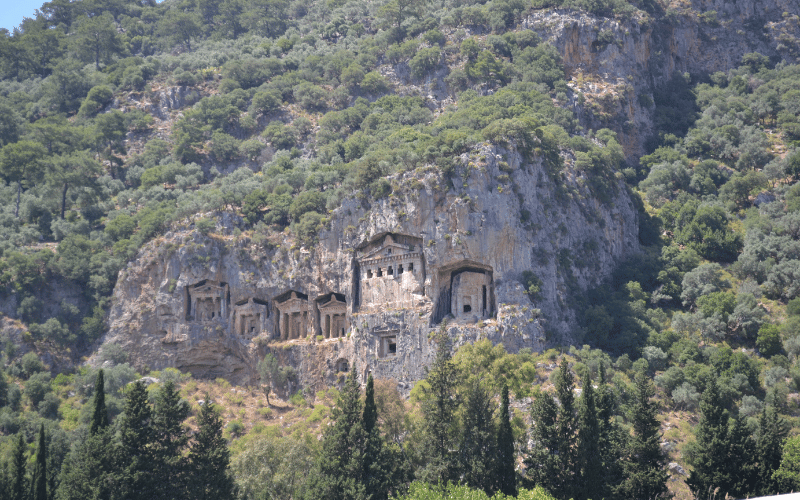
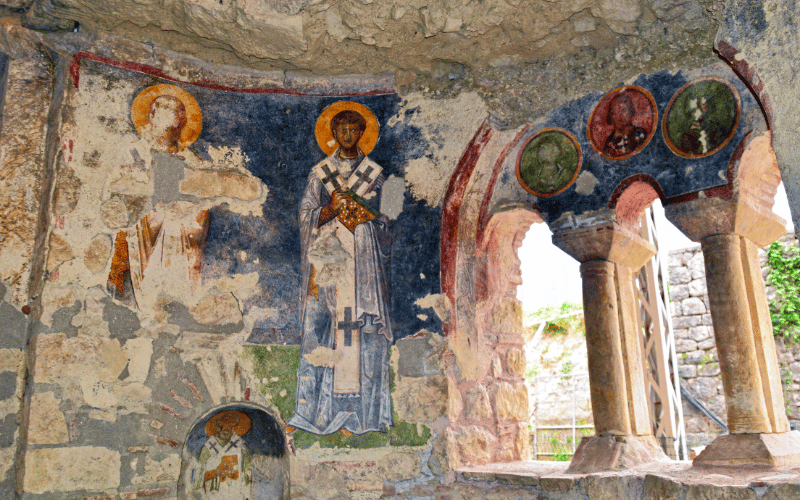
For instance, the ruins of Patara, once an important Lycian port, tell stories of bustling marketplaces, Roman theaters, and early Christian settlements. According to legend, St. Nicholas, who inspired the figure of Santa Claus, was born here, adding a magical layer to its historical significance. Meanwhile, Simena, a small village near Kekova, has a Byzantine castle and ancient harbor, where trade and defense shaped the life of the local population for centuries.
At Kaunos, rock-cut tombs overlook the water, believed to be the final resting place of Lycian nobles. Sailors passing these cliffs can almost hear the whispers of ancient ceremonies and tales of kings and merchants who once lived here. The strategic coastal positions of these cities remind visitors that control of the sea meant power, wealth, and influence in the ancient world.
Hidden Archaeological Treasures: Lesser-Known Gems
While famous sites like Bodrum Castle or Ephesus attract many visitors, smaller archaeological spots provide a more intimate experience. Islands like Gökçeada or Kekova’s hidden coves reveal ruins of ancient harbors, watchtowers, and submerged settlements. Snorkeling around these partially submerged ruins lets history come alive beneath the waves, showing remnants of old stone streets and sunken columns.
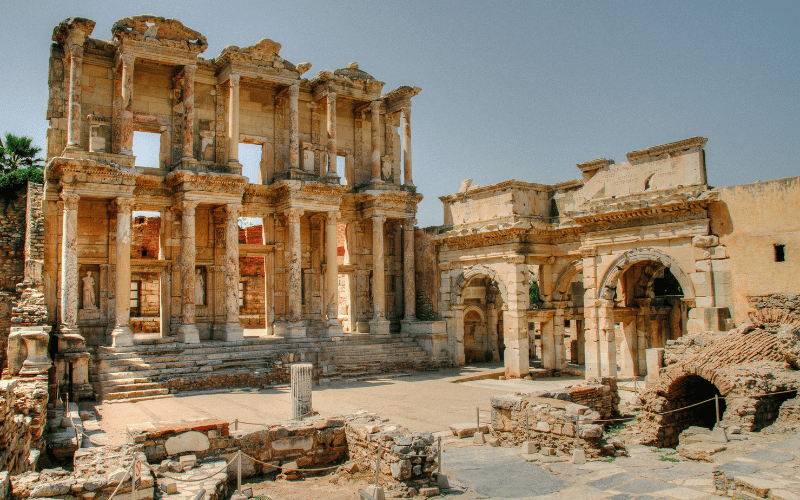
Other unique finds include Bozburun’s Lycian shipyards, where triremes were constructed, and ancient lighthouses that once guided mariners safely to port. Each site carries its own story: pirates hiding treasure in secluded coves, Roman emperors building seaside villas, and myths of gods and heroes who wandered the shores. At Knidos, visitors can imagine the famous statue of Aphrodite that once graced the city, while Bodrum’s Halicarnassus Mausoleum tells the story of one of the Seven Wonders of the Ancient World. Sailing past these treasures, travelers experience history as a living narrative, not just a collection of ruins.
The Stories Behind the Ruins
Beyond physical structures, the Aegean and Mediterranean coasts are rich in myths and legends. The island of Delos, sacred to Apollo and Artemis, was a pilgrimage site and trading hub, where sailors sought divine favor before embarking on long voyages. Along the Lycian coast, the cliffs and tombs of Myra are linked to Saint Nicholas and tales of miraculous deeds, reminding visitors that history often blends with legend.
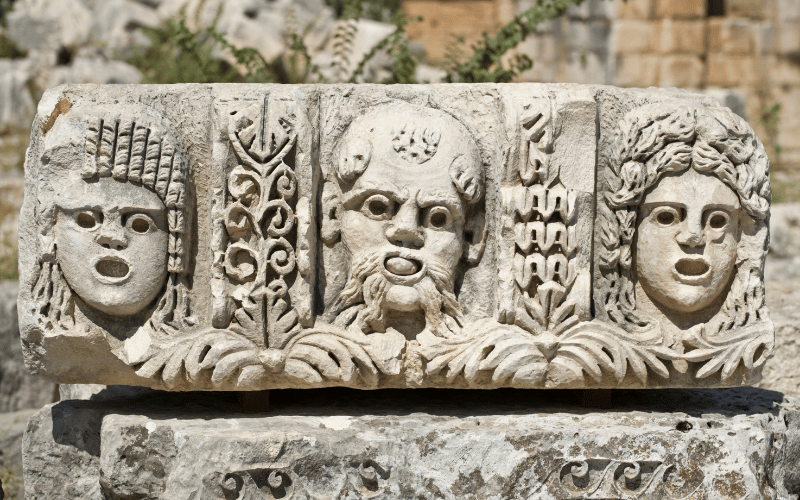
Even the smaller harbors and coves tell stories: at Kalkan, ancient maritime trade brought Phoenicians and Greeks together, shaping cultural exchange and architectural styles that survive today. Sailing by these sites, travelers feel connected to centuries of human endeavor, trade, and imagination, all reflected in the calm, clear waters.
Why a Boat Trip Enhances Historical Exploration
Traveling by sea gives access to sites that are otherwise hard to reach, blending adventure and education seamlessly. Following in the footsteps of ancient traders, warriors, and sailors allows travelers to experience the coast as it was centuries ago. Beyond ruins, the boat becomes a vantage point to observe natural beauty: hidden coves, secluded beaches, and unique marine life. Combining cultural exploration with the tranquility of sailing transforms a typical historical tour into an engaging journey.
For history enthusiasts and casual travelers alike, this experience fosters a deeper connection with the past. Being on the water shows how civilizations depended on the sea for trade, sustenance, and communication. Each anchor stop becomes a story, and every wave seems to carry echoes from a bygone era. Guests can bask in the sun, swim in pristine waters, or enjoy local cuisine on board, all while immersed in the rich historical landscape. This balance of education and leisure makes sailing tours along the Aegean and Mediterranean coast a must for those seeking meaningful travel experiences.
In conclusion, discovering the ancient history of the Aegean and Mediterranean by boat offers more than sightseeing—it’s an immersive journey through time, culture, and legend. From towering Lycian tombs to sunken cities, hidden harbors, and mythical islands, every stop tells a story that connects past and present. Boat Trip Turkey provides expertly guided tours that allow travelers to experience these historical wonders firsthand. Book your adventure today and sail through history, witnessing the legacy of civilizations while enjoying the serene beauty of the Turkish coastline.

AHOY!
I'm Captain Ergun, your local guide to the beautiful waters of Kaş and Kekova!
I'm here to help you make your trip to Turkey truly unforgettable. I've handpicked some of the best experiences for you, so you can dive deep into the culture, history, and natural beauty of our coast.
Check out my insider list of top activities and hidden gems for an adventure you won’t forget!