
A Beginner's Guide to Anchoring
Anchoring is one of the most essential skills every sailor must master. Whether you are mooring in a secluded cove or stopping for a swim, knowing how to anchor correctly ensures safety and comfort. For beginners, understanding the fundamentals of anchoring can transform a nervous experience into a confident, enjoyable moment on the water.
Understanding the Basics of Anchoring
Anchoring goes beyond simply dropping your anchor into the water. It involves selecting the right type of anchor for the seabed, estimating the correct scope, and positioning your boat properly. The right anchor keeps your vessel secure against wind, currents, and tides, preventing unwanted drifting. Sailors often face challenges when anchoring in unfamiliar waters, which is why learning the nuances of anchor types, seabed conditions, and environmental factors is crucial. For instance, a fluke-style anchor works well in sandy bottoms, while a plow anchor excels in rocky or grassy areas. Observing the surrounding environment and understanding the weather forecast further enhances anchoring success.
Anchoring also demands awareness of your surroundings. Ensuring enough distance from other boats, underwater hazards, and shoreline structures prevents accidents and damage. Properly using ropes and chains, along with tying off correctly, increases stability and control. Beginners often underestimate the importance of anchor scope, the ratio between the length of anchor rode and the depth of the water. A typical recommendation is a scope of 5:1 to 7:1, allowing the anchor to dig in securely without putting unnecessary strain on the boat. Mastering these details creates a safe foundation for all future boating adventures.
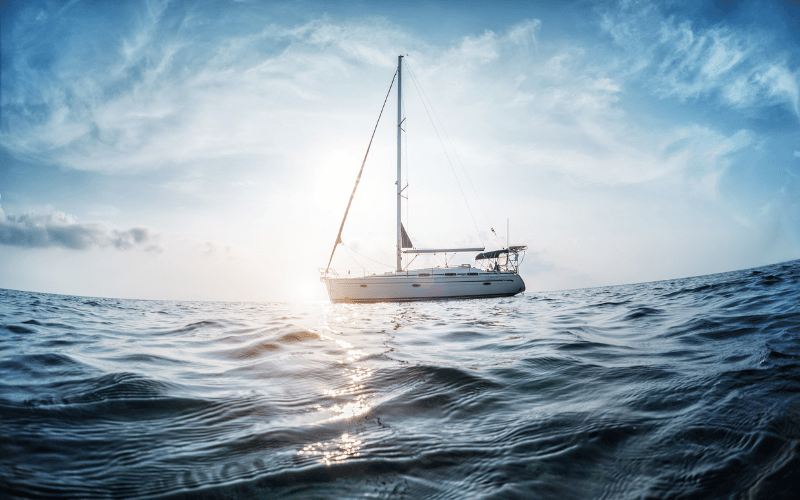
Tips for Confident Anchoring in Niche Situations
Certain scenarios require more specialized knowledge. Anchoring in crowded harbors or areas with fluctuating tides demands extra attention. In such environments, lightweight anchors may not suffice, and an experienced approach to deployment becomes necessary. Additionally, anchoring near coral reefs or environmentally sensitive areas requires precision and responsibility. Using markers or GPS systems can help position your vessel accurately, preventing damage to delicate ecosystems while ensuring your boat remains stationary. Over time, observing how your anchor responds in different conditions builds intuition, turning anchoring from a stressful task into an effortless part of your journey.
Seasoned sailors also pay attention to how wind shifts and tidal changes influence anchor performance. Adjusting your anchor or adding additional scope proactively prevents sudden dragging. Small adjustments, such as repositioning the chain or using a second anchor, can make a significant difference in stability, particularly during prolonged stays. Developing these skills early empowers beginners to explore more adventurous locations confidently, transforming anchoring into a seamless part of their maritime experience.

Anchoring is more than a technical procedure; it is a fundamental part of enjoying the freedom of the sea. By mastering the basics and understanding subtle environmental factors, beginners can gain confidence, prevent accidents, and fully embrace their time on the water. Boat Trip Turkey provides invaluable insights and experiences to help sailors of all levels improve their anchoring skills. Ready to enhance your boating adventures? Join a guided trip with Boat Trip Turkey today and discover the art of anchoring with expert guidance.

AHOY!
I'm Captain Ergun, your local guide to the beautiful waters of Kaş and Kekova!
I'm here to help you make your trip to Turkey truly unforgettable. I've handpicked some of the best experiences for you, so you can dive deep into the culture, history, and natural beauty of our coast.
Check out my insider list of top activities and hidden gems for an adventure you won’t forget!